Junk removal pa can help homeowners clear bulky furniture and other unwanted household items. A removal crew can review what needs to go, plan a safe way to carry it out, and sort usable pieces for possible reuse. Before pickup, set aside belongings and furniture you want to keep.
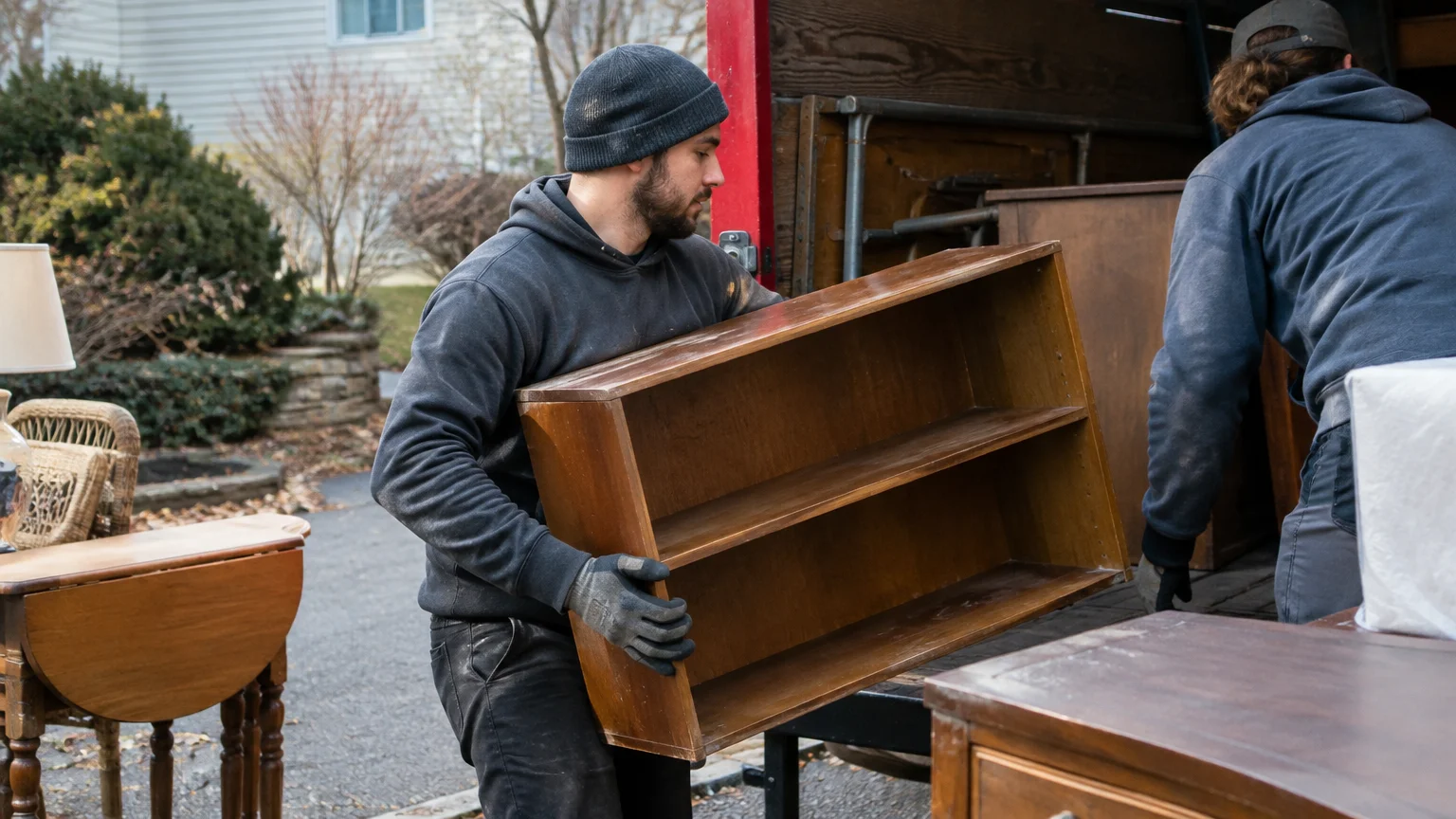
Couches, beds, and dressers can be hard to move through tight halls, down stairs, or out of a crowded room. A clear plan helps protect people and the home. This guide explains what to expect from residential furniture removal, from sorting items to choosing a service.
Table of Contents
- What does residential junk removal include in Pennsylvania?
- Which furniture items can be removed from your home?
- How should you prepare furniture for removal?
- How can bulky furniture be removed safely?
- What happens to furniture after it is hauled away?
- How can homeowners plan a furniture removal job?
- How do you choose a junk removal service in Pennsylvania?
- Frequently Asked Questions
- Key takeaways
- Conclusion
What does residential junk removal include in Pennsylvania?
Residential junk removal helps people clear unwanted things from a house, garage, basement, or other home space. It may include furniture pickup, household cleanouts, and large items that are hard to carry alone. Each service may accept different items, so ask what can be taken before setting up a pickup.
How furniture removal fits into a household cleanout
Furniture removal can be one part of a larger cleanout. A homeowner may remove a sofa while clearing a living room, or arrange pickup of several pieces during a move. A full cleanout may also include boxes, household goods, and other unwanted things. Sorting items first helps the crew see what should go.
A pickup for one or two pieces may suit a home with just a few large items. A larger cleanout may work better when several rooms need attention. For either job, point out each item for removal. Keep anything staying in the home away from the items to be taken.
Which bulky household items can be hauled away?
Many services take couches, chairs, tables, bed frames, dressers, and mattresses. Some may also accept appliances and other household goods, but the rules can differ. Refrigerators and other appliances may need special handling. Parts or materials inside them may not belong in ordinary rubbish.
Ask about a refrigerator before arranging pickup. Also ask where furniture and appliances go after collection. Puyallup WA Junk Removal helps homeowners learn what may be included in a home pickup and how to get ready. The company serves the Puyallup area, including Downtown Puyallup and South Hill, as well as nearby communities such as Sumner, Bonney Lake, Orting, and Edgewood. Check whether your home is within the service area before planning a pickup.
Which furniture items can be removed from your home?
A furniture removal service may take common home items such as sofas, mattresses, dressers, dining tables, and chairs. The size and condition of an item can affect how the crew handles it. Its location in the home can matter, too. Tell the service about pieces that are very large, heavy, or damaged.
Couches, mattresses, dressers, and dining sets
Couches and sectionals can be hard to move because they are wide and awkward to turn. Mattresses can take up a lot of space, while dressers may be heavy even when empty. A dining set may include a large table and several chairs. List each piece instead of describing the whole group as one item.
Before pickup, remove bedding, cushions, and loose belongings. Empty dresser drawers to make the piece easier to move. This also helps keep personal items from being lost. If a piece has glass shelves or a mirror that comes off, tell the service when arranging pickup.
Furniture does not always need to be in good shape to be removed. A broken chair or damaged table may still be accepted, but check first. Point out sharp edges, broken glass, or loose parts. This lets the crew plan a safer way to carry the item.
Items that may need special handling or separate disposal
Some things may not be accepted with ordinary furniture. Refrigerators, freezers, electronics, and items with harmful materials can have different rules. Concrete pieces and building waste are also unlike household furniture. Ask the service about these items separately.
Empty a refrigerator before pickup. Do not cut wires or try to remove sealed parts, which may hold refrigerant. Refrigerant is a material used to keep an appliance cold. If you are unsure how to get rid of an appliance, ask the service or your local waste office for advice.
How should you prepare furniture for removal?
You can help make pickup go smoothly by choosing what stays, clearing a path, and sharing key details ahead of time. A few simple steps can help prevent delays and protect walls, floors, and nearby belongings. You do not need to take apart every item unless the service asks or the task feels safe and simple.
Clear a safe path from the item to the exit
Move shoes, toys, rugs, and small furniture away from the route. Check that doors open fully and that stairs have no loose items. If the route has a tight turn, narrow hall, or steep stairs, mention it when arranging pickup.
Keep children and pets away from the work area while items are being carried. Move fragile belongings to another room to protect them. The crew may need space to turn a couch or carry a mattress upright. A clear route can make that work easier.
Identify items to keep, donate, or remove
Mark the furniture that should stay in the home. Put small belongings somewhere separate before the crew arrives. Do not leave anything important on furniture that is being removed. If other people live in the home, check with them before deciding that a piece can go.
A simple sorting plan can help:
- Keep furniture that will stay in use.
- Set aside clean, usable items for possible donation or reuse.
- Mark broken or unwanted pieces for removal.
- Ask about appliances or materials that may need special handling.
Most homeowners can sort their belongings and move small, safe items out of the way. They do not need to hire a professional just to do these basic tasks. For heavy lifting, hard access, or unclear disposal rules, ask the removal service for help.
How can bulky furniture be removed safely?
Safe furniture removal depends on the item, the route, and the people carrying it. Heavy or awkward pieces can hurt someone or damage walls without a plan. Do not try to lift an item alone if you cannot control its weight or see the whole path.
Why lifting, stairs, and narrow hallways require planning
A large sofa may fit through a doorway only when it is turned the right way. Stairs and narrow halls can make that turn harder. Floors and sharp corners may also need care. Measuring the item and noting tight spots can help the crew plan before moving it.
Check if doors need to be held open, and move loose rugs or small objects from the route. Do not stand below a heavy item being carried on stairs. Keep children and pets away until the furniture is out of the home.
When disassembly or additional help may be needed
Some bed frames, tables, and sectionals can be taken apart to make them easier to move. You can remove simple parts if the steps are clear and the task feels safe. Stop if a piece is stuck or unstable, or if it needs tools you do not know how to use.
Large or damaged furniture may need more than one person to carry it safely. The crew can decide how many people and what method the job needs. Tell the service about unusual weight, broken parts, or access limits before pickup. Do not wait until the crew is already moving the item.
What happens to furniture after it is hauled away?
After pickup, furniture may be considered for reuse, donation, recycling, or disposal. The best choice depends on the item’s condition, local rules, and whether a suitable place can take it. Ask the service how it handles usable pieces and damaged furniture.
Donation and reuse when items are suitable
Furniture that is clean and safe to use may suit donation or reuse. A charity or reuse group may have its own rules about stains, wear, safety, and the kinds of furniture it accepts. A service cannot promise that every piece will be taken by a donation group. Ask how usable items are checked.
If a piece may be donated, keep it clean and dry before pickup. Include its parts, such as removable shelves or table leaves. Point out any damage, too. This helps the service understand whether the furniture may be ready for another home.
Recycling and responsible disposal options
Some furniture parts may be recycled, while others may need to be thrown away. Materials can include wood, metal, cloth, and foam. A piece made from several materials may be harder to recycle than a simple metal frame.
Rules and recycling sites differ across Pennsylvania. Ask a service how it usually handles furniture, and check local advice for items that need special disposal. Refrigerators and other appliances should not be treated like ordinary furniture. Ask about the right way to handle each appliance before pickup.
How can homeowners plan a furniture removal job?
A little planning helps you explain the job and choose a pickup that fits your needs. Note which pieces need to go, where each piece is, and any access limits. Sharing clear details helps the service decide what the crew may need.
Make a clear item list
Write down each item, how many there are, and whether anything is broken or very heavy. For example, “one sectional sofa, one mattress, and two dressers” gives a clearer picture than “some furniture.” Photos may also help explain a large or unusual item, if the service can receive them.
Keep furniture separate from other things you may want removed. If the job includes a fridge, electronics, concrete, or household rubbish, list those items on their own. Different materials may need different care. Clear details can help avoid confusion.
Think through timing and access
Choose a time when the route can stay clear and someone can point out the items. If the home has a shared entrance, narrow driveway, or building rules, tell the service before pickup. Renters and property managers may need permission before furniture leaves a unit.
Not every job needs special preparation. Many homeowners can sort items, clear small obstacles, and confirm what is leaving by themselves. Professional help is useful for heavy items, hard stairs, or materials that should not be moved without care.
How do you choose a junk removal service in Pennsylvania?
A good service should explain what it accepts, how pickup works, and how items may be handled afterward. Compare services by asking clear questions and checking that the answers fit your job. Puyallup WA Junk Removal serves Puyallup and can explain the steps for a home pickup.
Questions to ask about item handling and disposal
Ask if the service accepts each item, including appliances and damaged furniture. Find out whether usable pieces may be considered for reuse or donation. Ask if special items need a separate plan. You can also ask what the crew needs to know about stairs, narrow doors, and long paths.
Useful questions include:
- Does the service accept each item on your list?
- Should appliances or damaged pieces be described separately?
- How should you prepare the furniture and route?
- What may happen to furniture that cannot be reused?
Clear answers help you know what to expect. If the service is unsure about an item, check before pickup instead of assuming it will be taken. This matters for refrigerators, electronics, and materials with special disposal rules.
What to expect when arranging a furniture pickup
When setting up a pickup, share your item list, where each piece is, and any access problems. Ask what the crew needs from you and whether someone should be there to point out the items. A clear plan helps prevent the crew from taking something that should stay.
In Pennsylvania, disposal choices can differ from one community to another. A local service may explain how it handles items, but you can still ask where special materials should go. Check whether your home is within the service area before arranging a pickup.
Frequently Asked Questions
How can someone get rid of old furniture?
A homeowner can donate usable furniture, offer it for reuse, or arrange removal. First, check the item’s condition and the group’s rules. A junk removal service may carry and haul large or heavy pieces. Share the item’s size, condition, and location when you arrange pickup.
How can someone get rid of broken furniture?
Broken furniture may still be accepted for hauling, but ask the service first. Point out sharp edges, loose parts, and broken glass before pickup. Do not try to carry an unstable piece alone. If you can safely separate parts, keep them together so nothing is left behind.
How should a refrigerator be disposed of?
Ask a junk removal service or local waste office how to dispose of a refrigerator in your area. Refrigerators may need special handling, so do not treat them like ordinary furniture. Empty the appliance before pickup. Do not remove wires or sealed parts yourself.
Can homeowners move furniture themselves?
You can move light items when the route is clear and you can control the load safely. You do not need a professional just to sort furniture or clear small obstacles. Heavy pieces, stairs, tight turns, and unstable furniture need extra care and may call for help.
What should someone ask before booking furniture removal?
Ask whether the service accepts each item, how to prepare the furniture, and what access details the crew needs. Also ask how usable pieces may be handled and whether appliances need a separate plan. Clear answers help you understand pickup before the crew arrives.
Key takeaways
- Residential junk removal may include furniture pickup and household cleanouts.
- Each service may accept different items and offer different disposal options.
- Clear the route and separate items that should stay before pickup.
- Do not lift heavy or unstable furniture alone.
- Ask how appliances and usable furniture may be handled.
Conclusion
Furniture removal can help clear a home when large pieces are hard to carry or fit through tight spaces. You can help the job go smoothly by listing items, clearing a safe path, and asking about special handling before pickup. Puyallup WA Junk Removal helps homeowners plan residential furniture removal. Contact us to discuss the items you need removed.