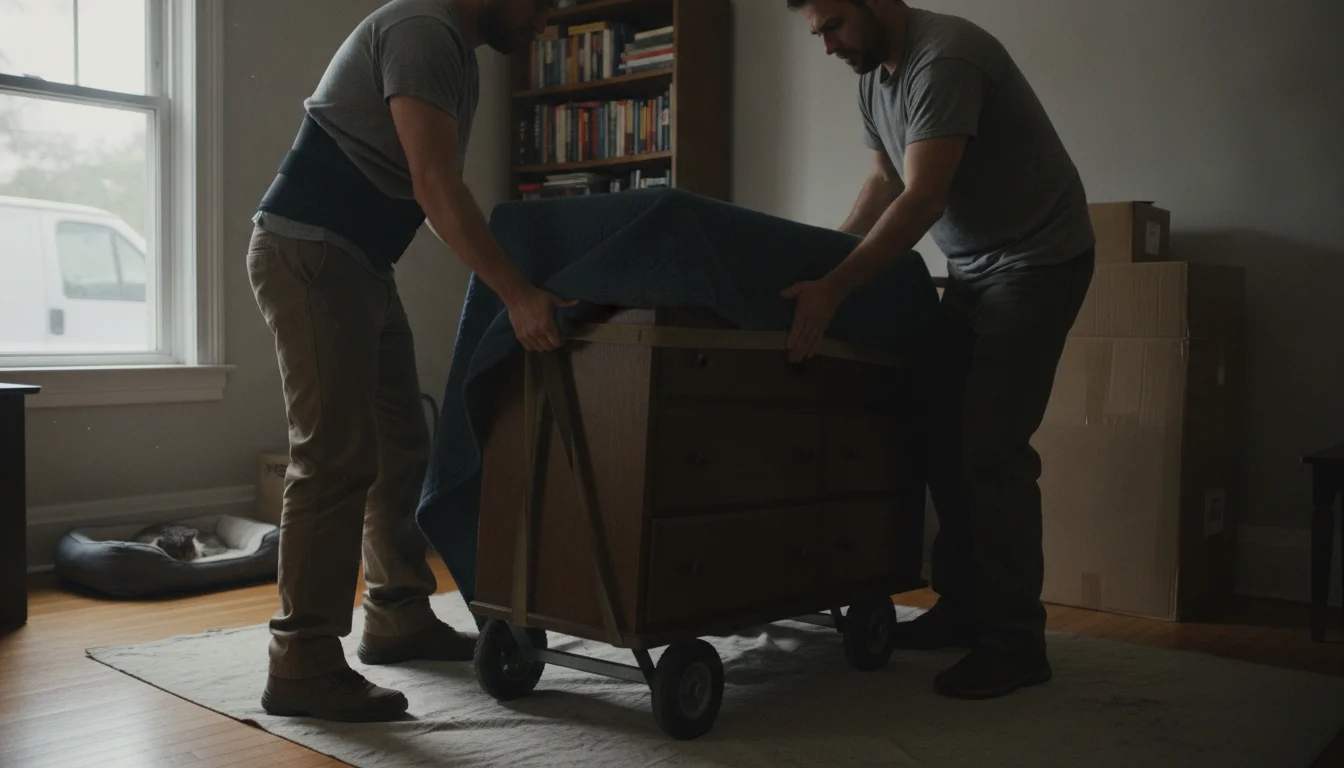
Furniture removal services handle the pickup, safe carrying, hauling, and disposal of bulky items, then sort for donation or recycling when possible. With trained crews, the right equipment, and a clear process from estimate to sweep-up, these services save time, protect your home, and help ensure responsible disposal in Puyallup.
Furniture removal services handle the heavy lifting, safe hauling, and responsible disposal of bulky items. They pick up couches, mattresses, tables, and more, then donate, recycle, or dispose of them based on condition. You get clear steps from estimate to sweep-up, so your home stays safe and tidy while the clutter goes away.
Letting go of old furniture can feel hard. It’s heavy, awkward, and time-consuming. A trusted local crew can make it simple. In Puyallup, many homeowners choose full-service help to save time, protect floors, and keep good pieces in use through donation. Puyallup WA Junk Removal offers this kind of support for homes and small businesses.
Table of Contents
- What do furniture removal services include?
- How does the pickup process work from quote to haul-away?
- How much do furniture removal services cost and what affects the price?
- How should I prepare my home and furniture for removal day?
- What happens to my old furniture after pickup?
- Can they remove bulky or specialty items safely?
- How do I choose a reliable furniture removal company near me?
What do furniture removal services include?
Furniture removal teams provide the labor, loading, hauling, and disposal for unwanted items. They arrive with a truck, safety gear, and trained pros. Crews move items from any room, carry them out carefully, and tidy up afterward. Many companies also sort pieces for donation, recycling, or compliant landfill disposal according to condition and local regulations.
This service helps when you’re moving, remodeling, clearing space, or handling an estate. Crews plan the route through your home and protect floors and walls when needed. Full-service teams can also handle light disassembly—removing table legs or separating a sectional so each piece passes through doorways and stairwells safely.
Typical items they take (sofas, mattresses, dressers, tables, décor)
Common pickups include couches, loveseats, recliners, sectionals, futons, bed frames, box springs, and mattresses. Dressers, nightstands, tables, chairs, bookcases, and TV stands are standard, too. Many teams also collect ottomans, mirrors, lamps, and décor. Outdoor items like patio sets and umbrellas are fine if they’re safe to lift and haul.
Crews can handle larger storage furniture such as armoires and wardrobes. Sleeper sofas are usually fine after checking the mechanism and mattress. For home offices, they’ll remove desks, file cabinets, and chairs. Office Cleanout and broader Junk Removal Services can step in if your project grows beyond furniture.
Items they cannot take and why (hazardous waste, built-ins)
Most teams cannot take hazardous waste. Hazardous waste includes items that may harm people or the environment, such as wet paint, chemicals, fuels, and certain batteries. Local and state rules define what qualifies. For guidance, see the U.S. Environmental Protection Agency’s page on household hazardous waste.
Built-in fixtures, like wall-mounted cabinets or wired lighting, require de-installation. Some crews offer light demo, but many avoid structural removals. Ask ahead about pianos, pool tables, or very fragile antiques. If an item is unsafe to carry as-is, partial disassembly may be recommended first.
How does the pickup process work from quote to haul-away?
A smooth job follows simple steps. First, you share what you have. Then you receive an estimate. Next, you schedule a visit. On the day, the crew confirms arrival, walks the space, and provides a final price for the items and access they see. With your approval, they load, sweep up, and haul everything away.
You can help by listing items and noting stairs, elevators, or tight turns. Good teams ask about parking, gate codes, and timing preferences. Expect clear, friendly communication. If the project grows, let them know early so they bring the right truck, tools, and staff.
On-site vs. virtual estimates: which is better and when
On-site estimates suit complex jobs best. The team can measure doorways, check stairs, and plan around tight corners. They also verify the size and weight of each piece to reduce surprises on the day.
Virtual estimates are great for simple, single-item pickups. Send clear photos with a size reference—like a tape measure or standard chair. Note floor level, elevator access, and parking availability. Virtual quotes can save time and make scheduling faster when items are easy to see and reach.
Day-of-service steps: arrival window, confirmation, loading, cleanup
Expect a short arrival window and a confirmation when the truck is en route. The crew walks through the job, confirms the final price, and protects floors if needed. They remove items room by room, stack them safely on the truck, and sweep up at the end. You’ll get a straightforward receipt and a note about donation or recycling when applicable.
After loading, walkways and driveways are left clear. If a door needs to come off its hinges briefly, they’ll reinstall it before leaving. Respect for your space and schedule is a hallmark of a good crew. Residential Junk Removal follows a similar process if you add boxes, small junk, or a few appliances to the visit.
How much do furniture removal services cost and what affects the price?
Actual costs vary with item size, weight, access, and distance to donation, recycling, or disposal sites. Many teams price based on time and the volume of truck space your items use. Difficult access—multiple stairs, long carries, or elevator delays—can affect the total. Extra handling for fragile or very heavy items can add time, too.
If you have ground-level access or an easy first-floor pickup, service is often quicker. Grouping items in one accessible spot can help. When donation or recycling is possible, crews may sort at the curb or truck so reusable items stay clean and separate. Ask how your team handles items in fair or poor condition.
Common pricing models (volume, per item, minimums, surcharges)
Many companies use volume pricing—meaning you pay for the share of truck space your items take. Some offer per-item pricing for single pieces like a recliner or mattress. There’s typically a minimum charge to cover the truck and team.
Surcharges can apply for long carries, many stairs, elevator restrictions, or unusually heavy items. Extra fees may cover special handling or disposal at specific facilities. Clarify what counts as a surcharge before pickup. Reliable teams explain their model in plain language so you know what to expect.
Ways to make pickup day faster
- Group items for a single visit to reduce trips
- Consolidate light décor and small pieces for faster loading
- Coordinate a shared pickup with a neighbor when possible
- Choose normal daytime windows for easier access
- Ask about donation options for gently used furniture
Sorting small items ahead can speed things along. Always prioritize safety. Avoid straining to move heavy pieces yourself. Furniture Removal services like Puyallup WA Junk Removal can suggest safe prep steps so you’re ready before the truck arrives.
How should I prepare my home and furniture for removal day?
A little preparation makes the day go smoothly. Measure doors, stairs, and hallway turns. Clear paths from each room to the exit. Pick up rugs and other trip hazards. If needed, protect floors with simple runners or cardboard. Keep pets in a quiet room so the crew can work without worry.
Photograph any pre-existing damage so you remember each item’s condition. If you want to keep hardware or knobs, remove and label them early. If the crew will disassemble items, set aside a clean spot for parts. Clearly mark the pieces that are staying to avoid mix-ups.
Measure, clear pathways, and protect floors
Measure the largest portion of each item and compare it to door widths and stair landings. If a sofa is too big as-is, the crew may remove legs or briefly take a door off the hinges. Clear a path at least three feet wide. Use floor protection near sharp turns or on delicate wood.
Keep children and pets clear of the work area. The team will carry heavy items and may need extra space to pivot safely. Clear the driveway or reserve a loading zone so the truck can park close. Simple access reduces carry time and keeps everyone safe.
Stairs, elevators, and parking tips for smoother service
Tell the team your floor level, the number of stairs, and elevator size if applicable. Request an elevator reservation if your building allows it. Ask about parking needs and set out cones or signage if street parking is tight. Share gate codes and any time limits in advance to avoid delays.
If you live in a busier part of Puyallup, consider mid-morning or early afternoon appointments to miss rush-hour traffic. Puyallup WA Junk Removal works across Puyallup regularly and can suggest time windows that align with building rules and local traffic patterns.
What happens to my old furniture after pickup?
After pickup, crews sort items by condition. If a piece is in good shape, it may go to a local charity or reuse center. Donation keeps furniture in use and supports neighbors in need. When resale options are available, certain items may go to thrift or nonprofit shops that accept furniture.
If donation isn’t possible, recycling is next. Recycling involves breaking an item down into materials—wood, metal, foam—so parts can be reused where facilities exist. When neither reuse nor recycling applies, items go to an appropriate, licensed disposal site. Local rules and facility capabilities guide what goes where.
Donation policies vary by group. Most charities require items to be clean and free of major damage. For mattresses, check relevant state programs and rules. The Mattress Recycling Council explains how many states approach mattress recycling at mattressrecyclingcouncil.org.
Key takeaways
- Good-condition items are often donated when local groups accept them
- Materials may be recycled when safe and practical
- Hazardous items are excluded and need special handling
- Clear prep and access help your pickup stay on schedule
- Ask about the plan so you know where items will go
Can they remove bulky or specialty items safely?
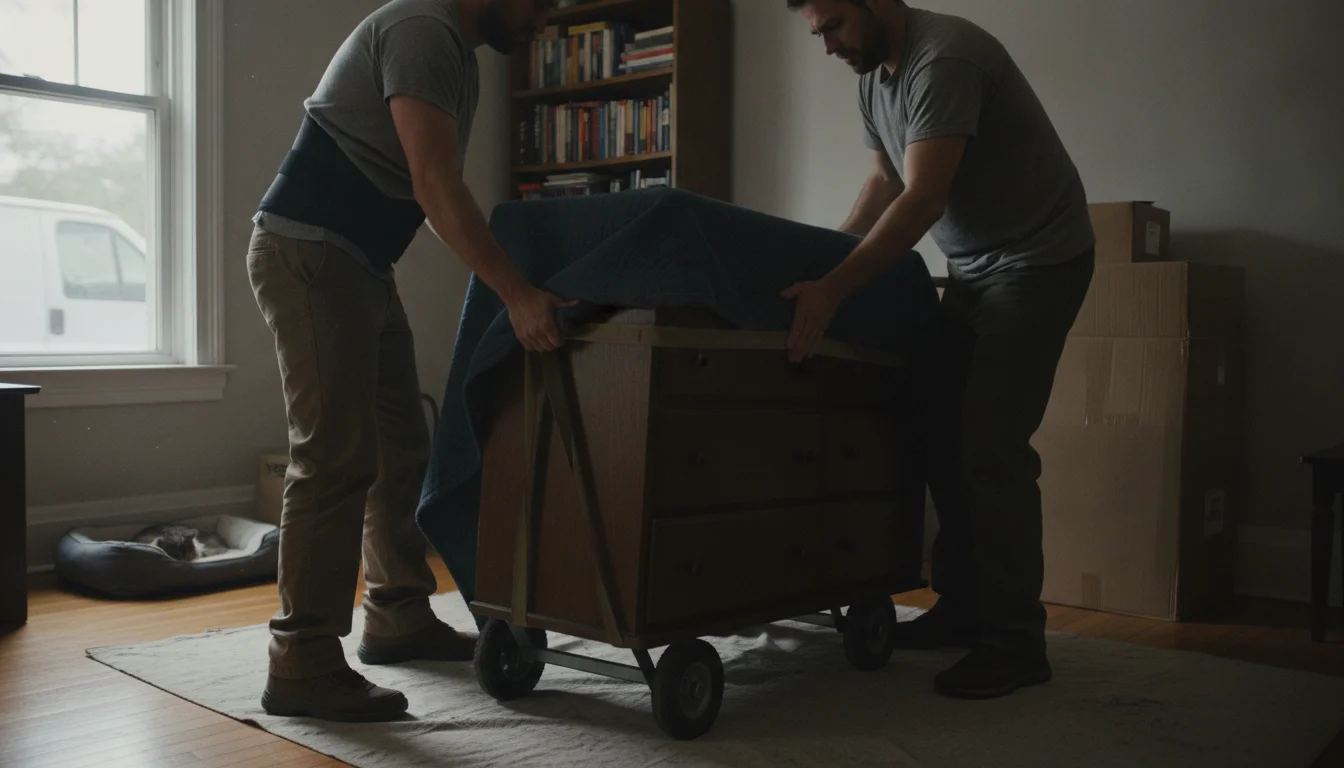
Yes. Trained teams move oversized and unusual pieces every day. They use lifting straps, dollies, and floor protection, and plan a safe route out of your home. Crews may remove doors or furniture legs to create clearance. Steady pacing and communication prevent bumps and scrapes.
Power recliners, storage beds, and heavy dressers need extra care. Crews may unload drawers and remove glass shelves or panels before moving. If a piece is fragile or antique, tell the team in advance so they bring pads, corner protectors, and additional staff if needed.
Couches, sectionals, recliners, and mattresses
Sectionals usually disconnect at hidden clips so pieces can move individually. Recliners often detach at the back for an easier carry. Mattresses flex, but crews use covers to keep them clean so donation or recycling stays an option. When stairs are tight, a sofa may be stood on end and carefully pivoted at landings.
Adjustable bases are heavy and awkward; teams fold and secure frames before lifting. If a sofa bed is stuck, removing the mattress first can reduce weight and make handling safer. Furniture Removal services understand these steps and will explain the plan before they begin.
Pianos, sleeper sofas, wall units, and oversized pieces
Pianos and very large wall units can require extra staff or a specialist partner because of their weight and center of gravity. If your building has narrow stairs, the team may suggest alternative methods or a larger crew.
Sleeper sofas contain a steel mechanism that adds significant weight. Crews check latches and secure moving parts before lifting. For oversized or delicate items, light disassembly may protect both the piece and your home. If your project expands, Junk Removal Services can add more trucks or personnel to keep the schedule on track.
How do I choose a reliable furniture removal company near me?
Start by verifying licenses and insurance. Licensed means the company is permitted to haul; insurance helps protect against accidents or damage. Ask about staff training and how long crews have worked together. Read recent reviews and look for notes on care, timing, and cleanup.
Review the company’s end-of-life plan for items. Ask where they take donations, how they decide what’s recyclable, and which facilities they use. Look for straightforward scheduling, dependable arrival windows, and responsive communication. A reliable team explains pricing in simple terms and sets clear expectations.
Frequently Asked Questions
Do junk removal companies take couches?
Yes. Most furniture removal services take couches, loveseats, sectionals, and recliners. They often remove legs or backs to move safely. If access is tight, a door may be taken off briefly. Share details about stairs or elevators so the right gear and staffing are scheduled.
Q: How can I get rid of a mattress near me?
A: You can set up a pickup with a local hauling team or explore a mattress recycling program if your area supports it. Check state or city rules on mattress recycling. Some charities accept clean, unstained mattresses. If donation isn’t possible, crews take them to approved facilities.
Q: Where can I get rid of a mattress?
A: Options include donation (when in good condition), mattress recycling centers, or disposal at a local transfer station. Many removal teams provide drop-off on your behalf. Review your city’s guidelines and hours. The Mattress Recycling Council has helpful state-by-state information on its site.
Q: What about tree branches or yard waste?
A: Many junk teams collect yard debris if it’s bundled and safe to lift. For self-haul, your city’s public works pages typically list yard waste centers and accepted items. If you prefer pickup, ask about a yard debris add-on when booking Residential Junk Removal.
Can I get same-day help for a shed or heavy item?
Same-day help may be available when schedules allow. For light demo like a small shed, ask about safety steps and permits. Share photos and site access details. If timing is tight, a local team can usually offer the next available window.
Conclusion
A dependable local crew makes removal straightforward, safe, and responsible—from careful handling to donation and recycling options. For Furniture Removal or broader Residential Junk Removal across the area, Puyallup WA Junk Removal is ready to help. For friendly scheduling and clear next steps, Contact us.
If you’re weighing options for a larger cleanout, consider adding services like Junk Removal Services or an Office Cleanout. Puyallup WA Junk Removal can coordinate multi-room or multi-day projects so everything leaves in one efficient plan.
If you are not sure which of these you are dealing with, it is worth having someone look at it before it turns into a bigger job. Get in touch with Puyallup WA Junk Removal today and we will tell you where you stand.