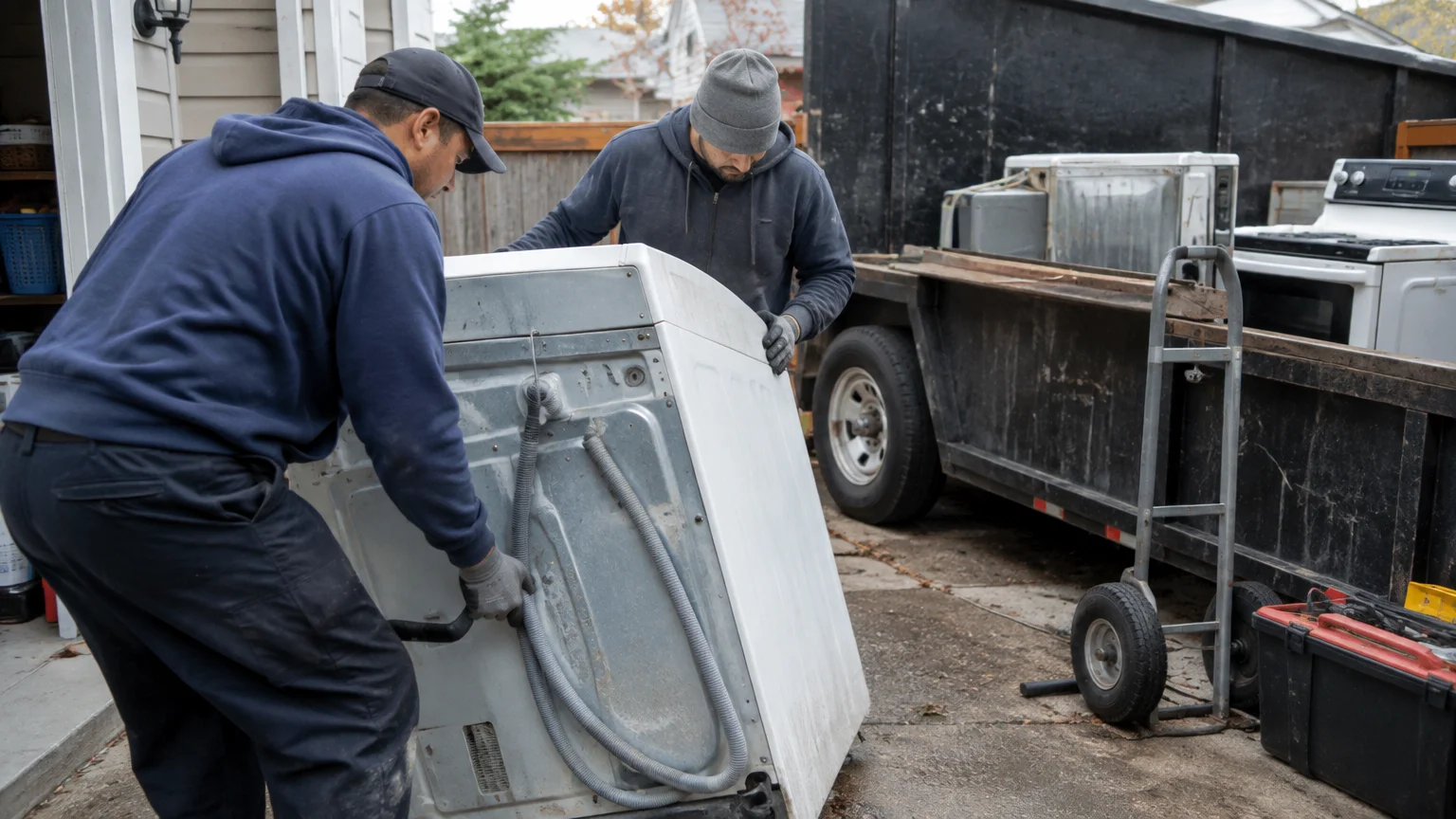
Large appliance removal vs dumpster rental depends on the size of your cleanup, the items involved, and who will do the lifting. Pickup often works best for a few heavy appliances. A dumpster may suit a remodel or whole-property cleanup. The right choice also depends on access, local rules, and your available time.
Table of Contents
- Is large appliance removal or dumpster rental better for your project?
- What does large appliance removal include?
- How does dumpster rental work for appliance disposal?
- Which option is easier for removing refrigerators, washers, and dryers?
- How do large appliance removal and dumpster rental costs compare?
- What appliance disposal rules should you know?
- Can appliances be recycled through either disposal option?
- When is dumpster rental the better choice?
- When is professional large appliance removal the better choice?
- How do you choose the right appliance disposal option?
- Frequently Asked Questions
Is large appliance removal or dumpster rental better for your project?
Large appliance removal often works best when a homeowner, landlord, or business has only a few bulky items. A trained crew can lift the appliances, load them, and haul them away. This saves time and can help protect floors, walls, doors, and other parts of the property.
A dumpster may be better when appliances are part of a larger cleanup. This may include a kitchen remodel, rental turnover, foreclosure cleanout, or whole-property project. The container can hold many types of approved waste, but the customer usually must move the waste into it.
How the two disposal options differ
The main difference is who does the physical work. With a removal service, a crew usually lifts and hauls the appliances. With a dumpster, the container is delivered, but the customer normally loads the waste.
A removal service may also sort items for reuse, recycling, or proper disposal. A dumpster company may accept appliances, but its rules can differ. Some appliances need special care because they contain refrigerant, oils, electronics, or other controlled materials.
Which types of projects suit each option
A dumpster can suit a large renovation with cabinets, flooring, drywall, and several appliances. Professional pickup may suit one refrigerator, a washer and dryer, or a few stoves. The best option depends on waste volume, access, labor, and local disposal rules.
Puyallup WA Junk Removal can help Puyallup property owners review the project before they choose. A clear item list and an honest description of the property can make planning easier.
What does large appliance removal include?
Large appliance removal usually includes pickup, lifting, loading, and transport. It may cover refrigerators, freezers, washers, dryers, stoves, ovens, dishwashers, and similar equipment. Accepted items can differ, so ask about the list before scheduling.
Appliance disposal means taking an unwanted appliance to a suitable reuse, recycling, or waste site. It is not the same as leaving an appliance beside the road or putting it in a regular trash bin. Large items often need separate handling to protect workers and the environment.
Appliances commonly accepted for removal
Many removal services handle common kitchen and laundry equipment. These items may include:
- Refrigerators and standalone freezers
- Washing machines and clothes dryers
- Electric or gas stoves and ovens
- Dishwashers and small kitchen appliances
- Water heaters, when local rules and service limits allow them
Tell the crew about unusual items, built-in units, commercial equipment, or appliances with gas lines. This helps the team bring the right tools and plan a safe removal.
What a pickup service typically handles
A pickup crew may disconnect an appliance only when it is safe and allowed. Gas lines, water lines, and electrical connections may need a licensed trade worker. Do not assume that every removal service can disconnect every utility.
The crew can often protect paths through the home and remove doors when needed. It may also load several appliances during one visit. Puyallup WA Junk Removal supports appliance removal for homes and businesses, including Downtown Puyallup and South Hill. Service may also cover Sumner, Bonney Lake, Orting, Edgewood, and nearby communities, based on the items and access conditions.
How does dumpster rental work for appliance disposal?
Dumpster rental means a container is delivered to a property for a set rental period. The customer places approved waste inside it. When the rental ends, the provider collects the container and takes the contents for sorting, recycling, or disposal.
This method gives the customer control over the cleanup schedule. It can help when waste comes from many rooms or when work continues for several days. It also requires room for delivery and enough labor to move heavy items.
Container sizes, delivery, and pickup
The container must sit on a stable surface with safe truck access. Some properties need permission before placing a container on a street, sidewalk, or shared driveway. Local rules may also limit its placement time and location.
Check the accepted waste list before loading appliances. Some providers need advance approval for refrigerators, freezers, air conditioners, or other equipment with refrigerant. Extra weight, banned items, or an overfilled container may lead to added charges.
What homeowners must do themselves
With a dumpster, the customer normally carries waste from the building to the container. This may mean using stairs, narrow doors, wet ground, or long paths. A refrigerator or washer can injure someone if it tips or slides during movement.
The customer must also keep the load within the container limits. Items should not stick above the top or block safe access. For a small appliance-only project, this work may take more time than expected.
Which option is easier for removing refrigerators, washers, and dryers?
Professional large appliance removal is often easier for refrigerators, washers, and dryers. These items are heavy and hard to control. A removal crew can plan the route, bring moving tools, and load the appliance safely. A dumpster still leaves most of this work with the customer.
Refrigerators need extra care because they may contain refrigerant and sealed parts. Freezers and older units may need special disposal steps. Share the model and condition when possible.
Moving appliances out of the property
Clear a path and remove loose objects near the appliance before pickup. Doors should open fully, and floor protection may help prevent marks. A crew may also check whether the appliance connects to water, gas, or electricity.
A washer may hold water in its hoses. A dryer may connect to gas or venting. A stove may be heavy and hard to move across uneven floors. These details affect how each appliance can leave the building.
Handling stairs, tight spaces, and difficult access
Stairs and tight turns make large appliance work harder. Door frames, railings, drywall, and floors can be damaged when a heavy item is forced through. A removal crew can decide whether the appliance needs more people, a tilt, or safe disassembly.
Explain basement steps, upper floors, narrow gates, elevators, and long walks to the truck. Clear details help prevent delays. They also help Puyallup WA Junk Removal plan pickup with fewer surprises on service day.
How do large appliance removal and dumpster rental costs compare?
Costs vary with the service, item count, access, labor, container size, rental time, disposal rules, and local facility charges. Large appliance removal is usually based on the items and labor needed. Dumpster rental is often tied to the container, rental period, weight, and waste type.
Neither option has one standard price. Compare the full amount of work instead of only the first advertised amount. The final charge depends on the project details and is confirmed when you get in touch.
Factors that affect appliance removal pricing
Pickup pricing may depend on how many items need removal and where they sit. A refrigerator in a ground-level garage may need less work than a washer in a basement. Stairs, long carrying distances, tight spaces, and utility connections can also affect the service.
The appliance type matters too. Refrigerators and freezers may need special handling. Commercial appliances may need different tools or disposal options. Give clear details so the service can explain what is included.
Dumpster rental charges and possible extra fees
Dumpster charges may include delivery, collection, rental time, weight, and disposal. Extra charges can apply to overfilled containers, banned items, added rental days, hard placement, or weight above the agreed limit. Appliance rules may differ from rules for ordinary household debris.
Ask for a written list of accepted items. Ask how refrigerators, freezers, washers, dryers, and other large appliances are handled. Also ask who loads the items and who manages special disposal steps.
What appliance disposal rules should you know?
Appliance disposal rules protect workers, residents, and the environment. Refrigerators, freezers, and some cooling equipment contain refrigerants. The U.S. Environmental Protection Agency explains federal refrigerant management requirements, including rules for recovering refrigerant from certain appliances before disposal.
Older appliances may also contain mercury switches, oils, foam, or electronic parts. Rules can differ by state, county, city, and disposal site. Check local requirements before putting an appliance in a dumpster or taking it to a drop-off site.
Refrigerant, mercury, and other regulated materials
Refrigerant is a chemical that moves heat in cooling equipment. It must be recovered with proper equipment instead of released into the air. A damaged sealed system can create safety and disposal concerns.
Mercury may appear in switches or older parts. Electronic controls, batteries, and oils may also need separate processing. Never cut lines, puncture tanks, or take apart cooling equipment to make it fit in a container.
Why local recycling and disposal requirements matter
A local facility may accept one appliance but reject another. Rules can depend on the appliance type, age, condition, refrigerant, and whether the item is complete. Some areas offer special collection events, utility programs, or appliance recycling services.
A professional removal company can explain what it accepts and where items may go. Puyallup WA Junk Removal can help customers in the Puyallup area understand the next step before pickup. Customers should still confirm any permit or utility rules that apply to the property.
Can appliances be recycled through either disposal option?
Appliances can often enter a recycling process, but the exact path depends on their condition and materials. Metal cabinets may be separated from plastic, glass, wiring, foam, and electronic parts. Refrigerant must be handled before many cooling appliances can be processed.
A removal service may sort items before taking them to a facility. A dumpster provider may send mixed contents to a transfer station or recovery center. Ask how appliances are handled instead of assuming every item will be recycled.
How metal, plastic, glass, and electronics are processed
Steel and other metals can often be recovered for new products. Plastic parts may be sorted by type. Glass shelves may need separate handling because broken glass can injure workers.
Circuit boards, motors, cords, and controls may enter an electronics recycling stream. Foam and insulation can be harder to process. Keeping an appliance whole can help crews handle these materials safely.
When reuse or donation may be possible
An appliance that still works may have a better use than disposal. Donation centers, reuse groups, repair programs, and some retailers may accept working items. Acceptance can depend on age, cleanliness, safety, energy use, and demand.
Do not leave an appliance at a donation site without approval. Remove food, water, lint, and loose parts first. If reuse is not possible, professional appliance disposal can move the item to a suitable outlet.
When is dumpster rental the better choice?
A dumpster may be better when appliances are only part of a large cleanup. A kitchen renovation can create cabinets, flooring, drywall, packaging, and old appliances. A landlord may also need one container during a full rental turnover.
The container keeps waste in one place while work continues. This helps when several people are cleaning or remodeling. It may be less useful for one refrigerator or a small group of appliances.
Renovation and whole-property cleanup situations
Dumpster rental can fit a remodel because waste appears over time. It may also fit an eviction or foreclosure cleanout with furniture, household goods, and other approved debris. Property owners should confirm that appliances are allowed before delivery.
A container may also help during a garage cleanout or major move. Still, the customer needs space for delivery and enough help to carry heavy items. A full-service junk removal team may be simpler when labor is the main concern.
Limitations when disposing of only a few appliances
A dumpster can be more work than needed for one item. The customer must arrange placement, move the appliance, protect the container, and follow loading rules. The appliance may also use space that could hold other project waste.
For a few large items, pickup may offer a more direct path. The crew comes to the property, handles the lifting, and hauls the appliances away. The best option depends on time, tools, labor, and access.
When is professional large appliance removal the better choice?

Professional large appliance removal often works best when the customer needs help lifting, loading, and hauling. It can suit homeowners, landlords, property managers, realtors, and business owners. It may also help when appliances sit in basements, garages, apartments, or tight utility rooms.
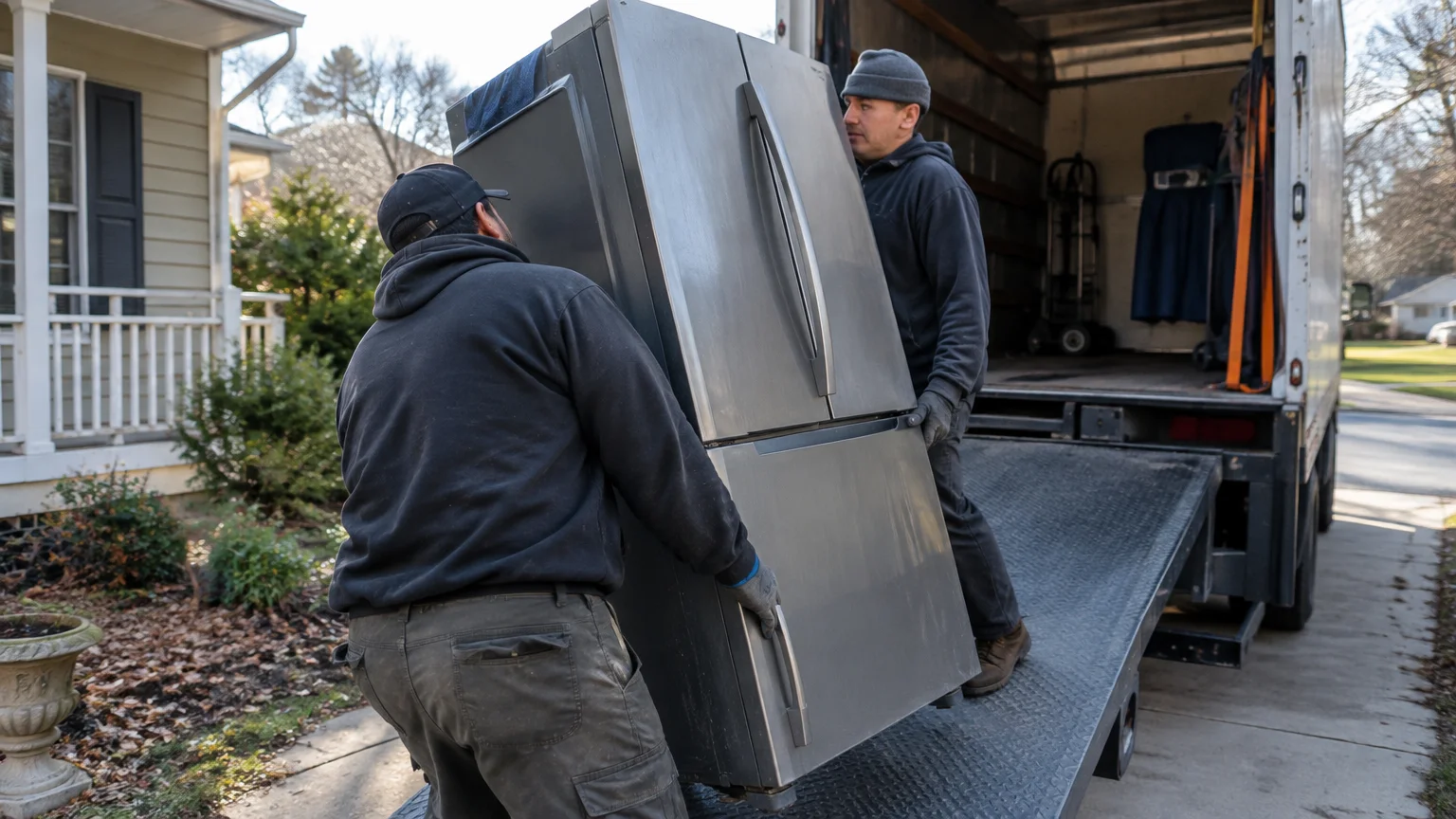
Describe the number and type of appliances before booking. Mention stairs, elevators, narrow doors, long paths, and utility connections. These details help the service plan a safe removal.
Benefits for homeowners, landlords, and business owners
Homeowners may use appliance pickup during a move, kitchen update, garage cleanout, or replacement project. Landlords may need old appliances removed between tenants. Property managers may need help preparing a unit for inspection or new occupancy.
Businesses may have break-room appliances, office equipment, or commercial units that need review. A service can keep the cleanup moving while staff handle other work. Puyallup WA Junk Removal can help Puyallup homeowners and property owners review appliance removal options.
Questions to ask before scheduling a pickup
Customers should ask clear questions before booking. Useful questions include:
- Which refrigerators, freezers, washers, dryers, stoves, and dishwashers are accepted?
- Does the crew handle heavy lifting from basements, upper floors, or garages?
- Must gas, water, or electrical connections be disconnected first?
- How are refrigerants, electronics, metals, and other materials handled?
- What access details and item information should the customer provide?
These questions help match the service to the job. They also reduce delays caused by unapproved items or unsafe access. A clear plan is useful for rental properties and business locations.
How do you choose the right appliance disposal option?
The right choice comes down to volume, labor, access, timing, and disposal needs. Appliance pickup often fits a few bulky items and customers who need lifting help. A dumpster often fits a larger renovation or cleanup where the customer can load approved waste.
Before deciding, list every item and note its condition. Include refrigerators, freezers, washers, dryers, stoves, dishwashers, furniture, boxes, and renovation debris. This shows whether the project is appliance-only or part of a wider cleanup.
A practical comparison checklist
The following checklist can help you choose:
- Choose appliance pickup when lifting or hauling is the main concern.
- Consider a dumpster when the project creates waste over several days.
- Confirm rules for refrigerants, electronics, gas equipment, and other materials.
- Check driveway, street, gate, stair, elevator, and parking access.
- Ask how each option handles recycling, reuse, and final disposal.
Compare the work required, not only the service name. A lower-effort option may make sense when time, safety, or labor is limited. Customers can discuss their project with Puyallup WA Junk Removal before choosing an approach.
Key takeaways for planning your cleanup
- Appliance pickup is often simpler for a few heavy items.
- Dumpster rental can suit renovations and larger cleanouts.
- Refrigerators and freezers may need refrigerant recovery first.
- Access matters when appliances pass through stairs, doors, or tight halls.
- Recycling depends on the appliance, its condition, and the receiving facility.
Conclusion
Large appliance removal vs dumpster rental does not have one answer for every project. A dumpster can support a broad cleanup, while a removal crew can handle a smaller appliance-only job with less lifting. The safest choice matches the waste, property, access, and local disposal rules. Contact us to arrange appliance removal support for your project.
Frequently Asked Questions
Who takes old freezers?
Appliance removal companies, recycling centers, retailers, and local waste programs may take old freezers. Rules vary because freezers can contain refrigerant and other regulated parts. Confirm acceptance before moving the unit. Share whether the freezer works, is disconnected, or sits upstairs or in a basement.
Who can remove refrigerant from a refrigerator?
A trained technician with proper recovery equipment should remove refrigerant from a refrigerator. Customers should not cut or puncture the cooling lines. A local recycling program or removal service may explain the next step. Keep the refrigerator intact until the responsible service confirms how it will be handled.
Can a washer or dryer go in a dumpster?
Some dumpster providers accept washers and dryers, while others need advance approval. Rules may depend on the container, local facility, appliance condition, and material type. Ask before loading either machine. Professional pickup may be easier when the appliances are heavy, upstairs, or hard to move.
Is appliance recycling better than throwing an appliance away?
Recycling is often a better option when the appliance can be safely processed. Metals, wiring, motors, plastic, and glass may have useful material value. Cooling appliances need special handling first. Ask where the appliance will go and whether reuse, recycling, or disposal fits best.
What should someone do before appliance pickup?
Empty and clean the appliance, remove loose items, and clear a safe path. Water, gas, and electrical connections may need to be disconnected by the right professional. Mention stairs, gates, narrow doors, elevators, and long carrying distances when arranging service.
If you are unsure what you have, an early review can prevent a larger job later.
If you are not sure what you are dealing with, it is worth having someone look at it before it turns into a bigger job. Get in touch with Puyallup WA Junk Removal today and we will tell you where you stand.