Office space junk removal helps businesses clear unwanted desks, chairs, cubicles, electronics, and other office items. A clear plan sorts things for reuse, donation, recycling, or disposal, then sets a safe route and work time. This helps Puyallup businesses keep work areas clear and avoid last-minute problems.
An office cleanout can involve more than moving a few chairs. A business may need to clear shared offices, storage rooms, meeting spaces, or a whole floor. A move may leave desks behind, while a renovation can create boxes, fixtures, and broken furniture. Planning early helps everyone decide what stays and what goes.
Table of Contents
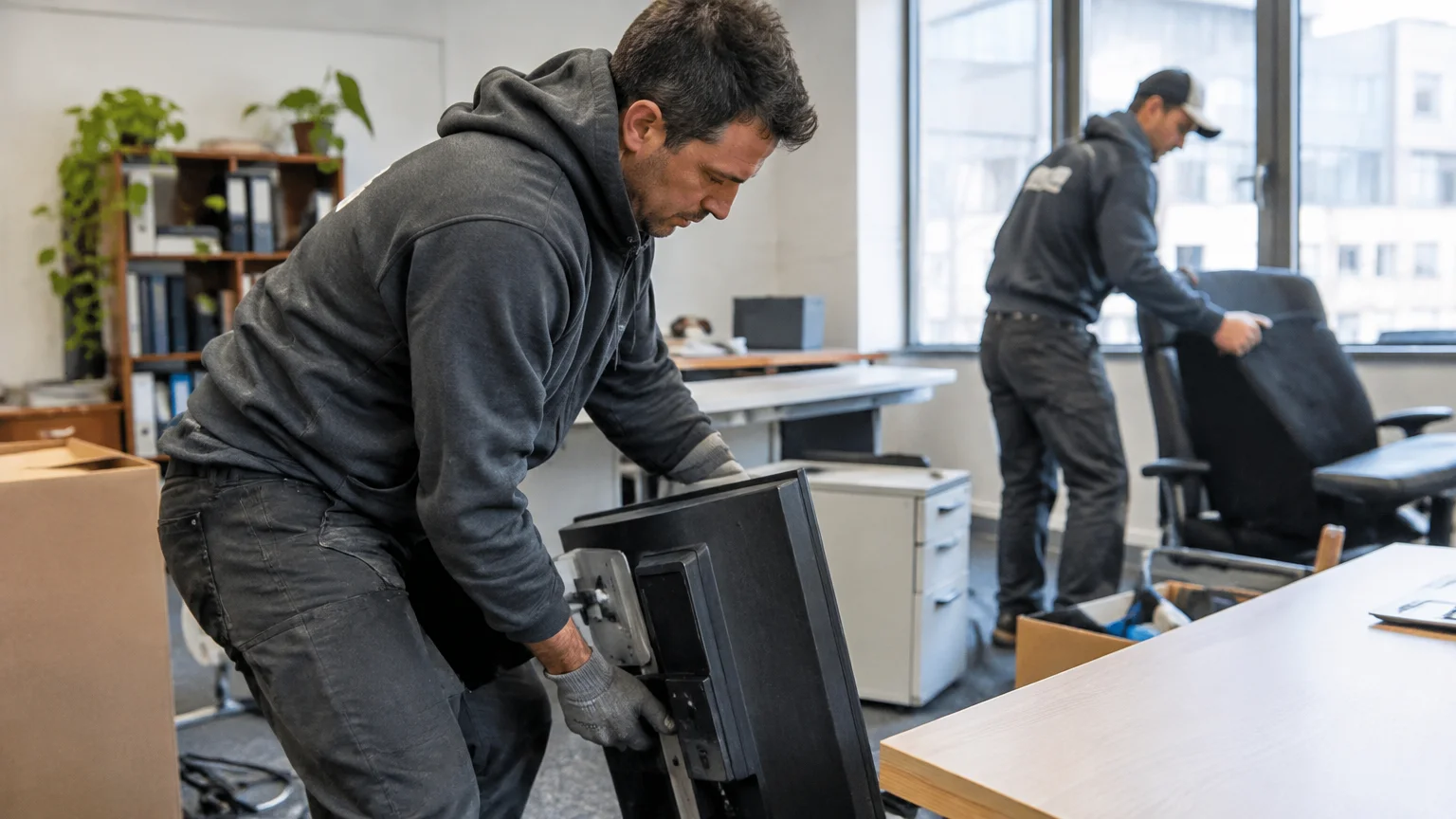
- What does office space junk removal include?
- When should a business arrange an office cleanout?
- How should you prepare an office for junk removal?
- How are office furniture and electronics handled?
- What shapes the scope of an office cleanout?
- How can you minimize disruption during an office cleanout?
- How do you choose a commercial junk removal provider?
- Frequently Asked Questions
- Key takeaways
- Conclusion
What does office space junk removal include?
Office space junk removal can include unwanted furniture, cubicles, electronics, and general office debris. The work depends on what needs to go and how the crew can reach it. A clear list helps the business and removal provider agree on the job before work starts.
Furniture, cubicles, and fixtures
Office furniture can include desks, chairs, filing cabinets, tables, shelves, and storage units. A cleanout may also cover cubicle panels, front desks, whiteboards, and some built-in fixtures. Point out anything that must stay, especially when saved items look like those being removed.
Large items may need to be taken apart to fit through a doorway or elevator. Tell the team about narrow halls, stairs, loading areas, and tight doors. This helps them plan a safe path and avoid blocking shared areas.
Electronics and general office debris
Old computers, printers, screens, phones, cables, and small appliances may be part of a cleanout. Boxes, damaged chairs, unwanted supplies, and other loose items may also be included if they are on the agreed list. Set aside personal belongings, records, and anything that needs special care.
Not every item should go in the same waste stream. A waste stream means the path an item takes for reuse, recycling, or disposal. Some electronics may be accepted for recycling, while other things need a different plan. Ask how each type will be handled instead of assuming everything goes together. A short item list can prevent confusion on removal day.
When should a business arrange an office cleanout?
Plan a cleanout when your business moves, renovates, changes its lease, needs less space, or closes an office. It may also help when storage areas fill up or unused furniture gets in the way. Starting early gives staff time to sort items and plan access.
Relocations, renovations, and lease changes
Moving is a good time to decide what is worth taking to the next office. Remove damaged furniture, old equipment, and items that will not fit the new space. This can make packing easier and help stop unwanted things from being left behind.
Renovation work may mean clearing one room at a time. A property manager may need the whole space empty before another tenant moves in. In either case, match the cleanout plan to the building schedule, loading rules, and work areas. Check the lease to learn what it says about items left behind.
Downsizing, closures, and ongoing space management
A smaller team may not need every desk or storage cabinet. Closing an office can involve more items and choices, including who owns furniture, equipment, and records. The person in charge should check with the right staff before anything is taken away.
Regular space reviews can help businesses notice unused items before they turn into a large job. Not every business needs a set cleanout schedule. Staff can flag items after a move, team change, or office update. Puyallup WA Junk Removal helps local businesses plan removal around their space and current work. Businesses in Puyallup can also check building rules before setting a work day.
How should you prepare an office for junk removal?
Prepare by choosing what will go, protecting items that must stay, and planning how the crew will enter and leave. Share the item list and building rules early. Good preparation helps prevent delays and keeps staff, visitors, and property safe.
Sort items for removal, reuse, or donation
A simple sorting plan gives staff clear choices. Use labels or marked areas so useful things are not mistaken for junk. Check whether usable furniture can be reused or donated, and do not assume every item will be accepted.
- Keep: Items the business still needs or plans to move.
- Reuse: Furniture or supplies that another team can use.
- Donate: Items in good condition, after checking what groups accept.
- Remove: Broken, unwanted, or unusable items on the agreed list.
Staff can sort papers, clear personal belongings, and label furniture. These simple tasks do not need a removal professional. Heavy lifting, large furniture take-apart work, and moving bulky items through shared areas are safer for workers with the right tools and training.
Plan access, timing, and building coordination
Plan a path from the office to the loading area. Check for stairs, narrow doors, elevators, and security points. Ask the building manager about service doors, elevator use, loading zones, and rules for moving large items. Keep exits, halls, and fire equipment clear.
Choose a work time that fits the business and the building. Tell staff which rooms will be cleared and when, so they can move personal items and stay clear. If tenants share the building, give property staff notice and confirm who can approve access. A named point person can answer questions on the day.
How are office furniture and electronics handled?
Sort furniture and electronics by type and condition before removal. Items that can be used again may need a different next step from broken items. Electronics may need special care, and businesses should protect private information before computers, drives, or phones leave their control.
Separate reusable items from waste
A desk in good shape may be reused, while a broken chair may need disposal. Some furniture can be taken apart, but keep its parts together when that helps someone use it again. Make clear which items are approved for removal and which are saved for another team or office.
People often ask how to get rid of old or broken furniture. First, check whether it can be fixed, reused, or accepted by a local donation group. If not, add it to a planned junk removal pickup and describe its size and condition. Do not leave large items in a hall or outside without the property owner’s approval.
Protect sensitive data and manage electronic equipment
Before computers, phones, printers, or storage devices leave the office, remove or secure private information. The IT lead can save needed files and follow the company’s steps for wiping or destroying data. A device is not safe to pass on just because it no longer turns on.
Ask how electronics will be sorted and where they may go next. Some equipment may be fit for reuse, while other items may need an electronics recycling option. Businesses can also ask about removing appliances such as a break-room fridge. Confirm which appliances are accepted and get them ready by following building and safety rules.
What shapes the scope of an office cleanout?
The scope depends on how many items need to go, what they are made of, where they are, and how the crew can reach them. A few chairs in an open room are different from a full office with cubicles, appliances, and equipment on more than one floor. Sharing these details helps set clear plans.
The item list matters because furniture, electronics, fixtures, and loose debris may need different handling. Note any very large, heavy, or fragile items. Also say whether furniture is assembled, whether things are on an upper floor or in a basement, and whether an elevator or loading area is available.
Access can affect the work plan too. A long path to the truck, short loading times, stairs, and busy shared spaces may need more planning. Share photos or arrange a walk-through if it is hard to describe the space. Do not include private records or personal details in photos.
A small pickup may involve a few listed items in one easy-to-reach room. A commercial cleanout may cover several rooms, work areas, or floors, with more staff and building needs to plan around. The difference is the size and planning of the job, not just how much furniture there is. Confirm the full scope before work starts, and ask how changes will be handled if the list changes.
How can you minimize disruption during an office cleanout?
A business can limit disruption by choosing a good work time, marking the work area, and telling people what to expect. The plan should protect normal work where possible. It should also keep paths clear for staff, visitors, and building workers.
Schedule work around business operations
Think about customer visits, busy work times, deliveries, and building access hours. A cleanout may work better when fewer people use the rooms. If removal must happen during normal hours, split the work into clear areas and keep staff away from lifting and loading.
Tell employees what will be removed and when. Ask them to take personal items home or move them to a marked safe place. A manager should be ready to answer questions about items that are not clear. This can prevent delays and help keep needed items in place.
Coordinate with employees, tenants, and property managers
Property managers can explain building rules and limits on moving furniture. Tenants may need notice if shared halls, elevators, or loading areas will be used. A simple plan should say who will open doors, guide the crew, and approve last-minute choices.
Clear the route before the crew arrives. Move small items and loose cables out of walkways, but leave heavy lifting and hard take-apart work to trained workers. Tell the removal provider ahead of time if a room has records, chemicals, or anything else needing special care. Good communication makes a busy cleanout easier to manage.
How do you choose a commercial junk removal provider?
Choose a provider that understands the work, asks about the site, and explains how items will be handled. Confirm which items are included, who will take furniture apart, and what access is needed. Clear answers help owners and managers plan with fewer surprises.
Confirm the scope, handling practices, and logistics
Share the item list, building details, and preferred work time. Ask how the provider handles furniture, electronics, appliances, and loose debris. If the business wants to keep or donate certain items, point them out before work starts and confirm how they will stay separate.
For a large cleanout, ask if the provider can work across several rooms or stages. Confirm who will speak with the building manager and whether the crew needs a loading area or elevator. A provider should explain the plan in plain words, including what may change if the site differs from the details shared.
Prepare questions before requesting a quote
A quote should match the agreed job and the details the business shares. Ask what is included, how changes are handled, and which items cannot be accepted. You can also ask what happens to usable goods and electronics after they leave the office.
Other helpful questions include:
- What items and rooms are part of the cleanout?
- Do furniture or fixtures need to come apart first?
- How should computers and other electronics be prepared?
- What building access or loading details are needed?
- Who should be there to approve questions on site?
Compare answers based on a clear work plan, safe practices, and the building’s needs. Puyallup WA Junk Removal can help businesses discuss items, access, and timing for an office cleanout. Choose a plan that suits the site, then make sure staff know what will happen next.
Frequently Asked Questions
How do companies handle large-scale office cleanouts?
Companies start by listing the items, rooms, access needs, and deadlines. They may split a large cleanout into stages, so staff can keep working in areas that are not being cleared. A point person can coordinate with employees and building managers, while the removal team follows the agreed plan for furniture, electronics, and debris.
How can a business get rid of an office fridge?
First, check the building rules and ask the removal provider if it accepts the appliance. Remove food and personal items, and follow the maker’s steps for getting it ready. Do not leave a fridge in a shared area or outside without approval. Ask how the appliance will be handled after removal.
What should happen to old office furniture?
Check whether furniture is useful, safe, and right for another team or donation group. Set aside items for reuse, and list unwanted pieces for removal. Describe large or broken furniture clearly. This helps the team plan how to move it and keeps saved items apart.
How should a business prepare computers for removal?
The IT lead should save needed files and follow the company’s steps for removing data before equipment leaves the office. This may mean wiping storage devices or arranging secure destruction. Label devices that must stay, and ask the provider how electronic equipment is handled after collection.
Can staff remove office junk themselves?
Staff can sort small items, clear personal belongings, and label furniture. They do not need a professional for those simple tasks. Heavy desks, cubicles, appliances, and large loads can pose lifting or access risks. Trained removal workers are a safer choice for that work.
Key takeaways
- Plan office space junk removal around the business schedule and building rules.
- Sort items for keeping, reuse, donation, or removal before the crew arrives.
- Protect private data before computers, phones, or storage devices leave the office.
- Share item details, access limits, and special care needs in advance.
- Use trained help for heavy furniture, appliances, and large cleanouts.
Conclusion
A clear plan helps businesses remove unwanted office items while protecting staff, property, and useful equipment. Start with an item list, prepare the space, and plan access with building management. For office space junk removal in Puyallup, Contact us to discuss your cleanout and plan the next steps. Puyallup WA Junk Removal works with local businesses to help organize the removal, while Puyallup teams can check their building rules before work begins.
If you are not sure what you are dealing with, it is worth having someone look at it before it turns into a bigger job. Get in touch with Puyallup WA Junk Removal today and we will tell you where you stand.